

When people ask why I’ve spent more than three decades registering voters and working to strengthen civic participation, I don’t begin with politics.
I begin with Mission Hill. As a young boy, I shined shoes in my neighborhood. Those humble beginnings taught me the value of hard work, perseverance and community.
Mission Hill was not simply where I grew up. It was where I learned the power of community and organizing.
My mother was one of the founding members of the Roxbury Tenants of Harvard in Mission Park. Years later, I became the organization’s Youth Director. I went on to become Executive Director of the Mission Hill Community Centers, which, at its peak, was one of the best family service centers in the country.
I lived and worked in Mission Hill, serving families and young people and learning that when communities come together, they can create opportunities and change lives.
Eventually, my journey took me from Mission Hill to Beacon Hill.
While serving in Governor Deval Patrick’s administration, I lived on Bowdoin Street on Beacon Hill and worked for the governor inside the State House, directly across the street from where I lived.
I had gone from shining shoes as a young boy in Mission Hill to working inside the State House for the governor of Massachusetts.
That journey taught me something I have carried with me throughout my life: Where you begin should never determine whether your voice is heard.
Over the years, I have worked across corporate America, community-based organizations, city and state government, and the clergy. Wherever I worked, I kept coming back to the same fundamental question:
Does my voice really matter? That question became even more urgent during the Charles Stuart case in Boston. For many Black men, the case and its aftermath reinforced fears about racial profiling and how Black people could be treated by institutions of authority. Then came the Rodney King verdict, which sent shock waves across the country. Practices such as stop-andfrisk further deepened mistrust between communities and law enforcement.
For me, these were not simply news stories. They were reminders that communities need more than frustration and anger. They need organization, education, political participation and the power to make their voices heard.
That is why I founded Dunk the Vote in 1992.
Our mission was straightforward: turn frustration and anger into civic engagement.
We registered voters and distributed American Civil Liberties Union materials addressing racial profiling and “Driving While Black,” helping people understand their rights and encouraging them to participate in the democratic process. The connection between civil rights and voting rights was clear to me then, and it remains clear to me today.
More than three decades later, that work continues.
Today, I also distribute The Black Book, a community resource guide designed to help people understand their rights and access important civil rights information. The tools may change, but the mission has remained remarkably consistent: empower people with knowledge and give them the tools to participate.
And I have seen firsthand why that participation matters.
In 2006, I worked on Deval Patrick’s campaign for governor. There was tremendous enthusiasm among voters who wanted change. But in some communities, polling places ran out of ballots. That experience reinforced something I had already learned: encouraging people to vote is only part of the job. We also have to make sure our systems are prepared to receive them.
In 2019, I worked on Julia Mejia’s Boston City Council campaign. After a recount, she won by one vote.
One vote. That experience brought home something I have told voters for decades: every vote matters.
I also worked on the campaign for Question 2, the ballot initiative concerning the MCAS graduation requirement. Whatever one’s position on the policy, the campaign demonstrated the power of giving citizens a direct opportunity to participate in shaping public policy.
These experiences have shaped my belief that democracy cannot simply be something we talk about every four years. It has to be something we practice every day.
That means registering voters.
It means educating our children about civic responsibility.
It means churches, community organizations, schools, businesses and neighborhood leaders creating spaces where people can learn about their rights and responsibilities.
And it means making sure people have meaningful choices when they enter the voting booth.
I worry when communities become so accustomed to uncontested or heavily tilted political races that voters begin to believe their participation cannot change anything. When people believe an election is already decided, they may stop showing up altogether.
I am not suggesting that incumbents should not seek reelection. They should. My concern is making sure our political system remains open to qualified community members who want to step forward and serve.
After more than 30 years of this work, I remain hopeful.
I have seen what happens when people believe their voices matter. They vote. They organize. They lead. They teach their children. They encourage their neighbors. And sometimes, as we learned in Julia Mejia’s race, one vote can make history.
From Mission Hill to Beacon Hill, my journey has reinforced one simple belief: democracy works best when people believe they have a place in it.
Justice is in my bones. Liberation is in my spirit. Organizing is in my DNA.
That is the democracy I still believe in — a democracy where every community has a voice, every voter has a fair opportunity to participate, and every person understands that their voice and their vote truly matter.
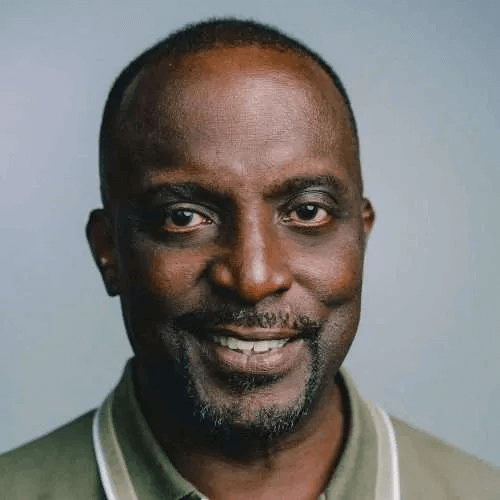
Ron Bell is the founder of Dunk the Vote, a Massachusetts civic engagement organization founded in 1992 that has helped register more than 100,000 voters. He served as Senior Advisor for Community Affairs in the administration of Governor Deval Patrick and has spent more than three decades working across corporate America, community-based organizations, city and state government, and the clergy to strengthen civic participation and community leadership throughout Massachusetts.